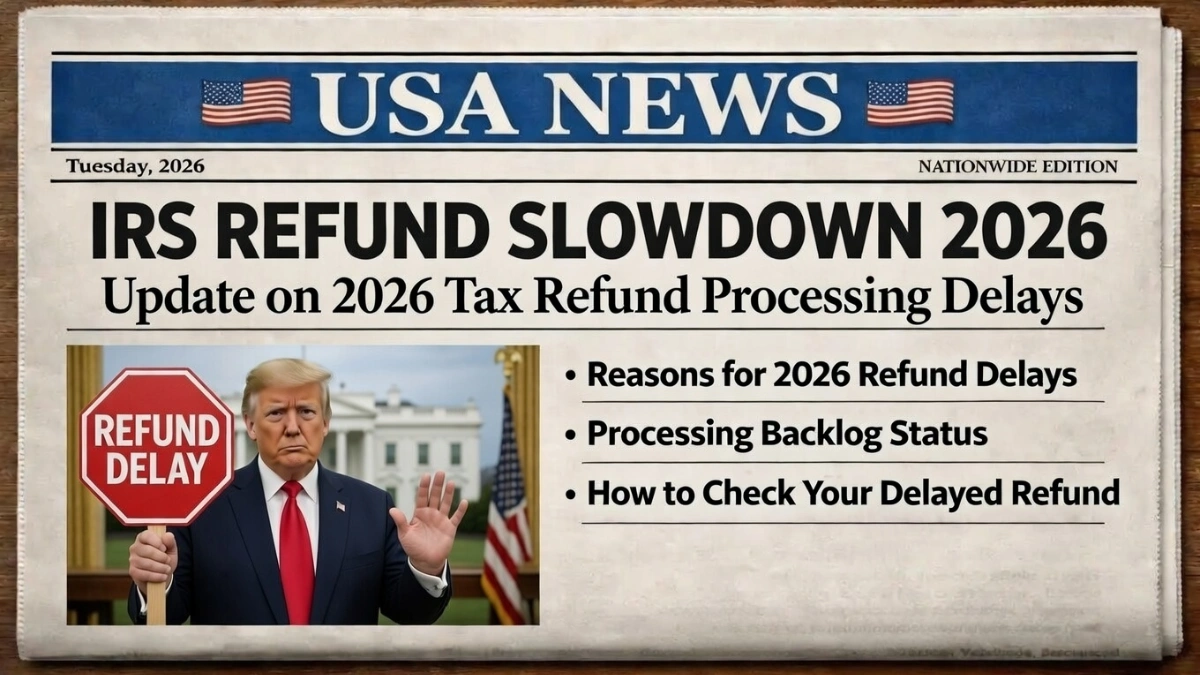
Taxpayers across the country are noticing that some 2026 refunds are taking longer to process. While many returns move through the system smoothly, added verification steps and peak-season volume can slow down payment timing. Here’s what may be causing the slowdown and what you can do.
How the Refund Process Works
After you file your return, the Internal Revenue Service reviews it through automated systems. These systems verify income records, tax credits, withholding details, and identity markers before approving any refund.
An “accepted” status means the return was received, not that payment has been issued.
Typical Direct Deposit Timeline
For electronic filers who select direct deposit, refunds are generally issued within about 21 days after acceptance if no additional review is required. Paper returns often take several weeks longer because they must be manually processed.
Choosing e-file and direct deposit typically speeds things up.
Why Refunds Are Slowing Down in 2026
Several factors may contribute to longer processing times:
Higher-than-average filing volume in early season
Enhanced identity verification procedures
Cross-checking employer wage data
Review of refundable credit claims
Minor filing errors or mismatched information
Even small discrepancies can temporarily pause automated approval.
Credit-Related Review Holds
Returns claiming certain refundable credits may be flagged for additional validation. These safeguards are intended to prevent fraud but can extend refund timelines.
Most reviews are routine and resolved automatically once verification is complete.
What Happens If There’s an Issue
If additional documentation is needed, the IRS may send a notice requesting clarification. Responding quickly can prevent extended delays.
Keeping contact information current helps ensure timely communication.
How to Track Your Refund
Taxpayers can use official IRS refund tracking tools to monitor progress. Electronic returns typically update within 24 hours, while mailed returns take longer to appear in the system.
Avoid relying on unofficial refund charts circulating online.
Conclusion: While most 2026 refunds are processed within a few weeks, enhanced verification procedures and seasonal volume may slow down some deposits. Filing accurately, responding promptly to notices, and using official tracking tools can help minimize wait times and reduce uncertainty.
Disclaimer: This article provides general informational guidance regarding federal tax refund processing. Individual refund amounts and timelines vary based on personal tax filings and official IRS procedures. For precise details, consult authorized government resources directly.